
Empty Nest Renewal for Women in Their Late 50s Finding Hope Self Care and Community
The quiet can feel shocking at first.
For years, a home may have carried the sound of closing doors, late-night questions, laundry running, meals being made, and someone calling from another room. Then one day, the calendar looks different. The bedrooms stay neat. The grocery cart feels too large. No one needs a ride, a reminder, or a packed bag by the door.
For many women in their late 50s, the empty nest does not arrive as one simple emotion. It can bring relief, grief, pride, confusion, and deep fatigue all at once. The children may be grown, but the body and heart often feel the weight of everything it took to get them there.
This season can be tender. It can also become a doorway. Empty nest renewal for women in their late 50s finding hope self care and community begins with honoring what has been carried, then gently making room for what can grow next.
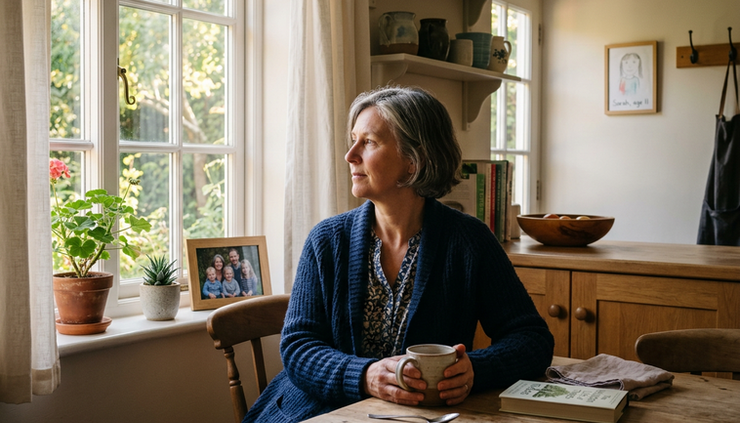
The empty nest can arrive with more than sadness
Empty nest life often gets described as a parenting milestone, but for many women it is much more than that. It may arrive at the same time as menopause changes, caregiving for aging parents, shifts in marriage or partnership, retirement questions, friendship changes, or worries about finances.
That is a lot for one nervous system to hold.
Some women feel guilty for feeling sad because their children are doing well. Others feel guilty for feeling relieved because they finally have space. Both feelings can be true. Relief does not mean love was lacking. Sadness does not mean growth is wrong.
This stage can stir up questions that sat quietly for years:
Who am I when I am not needed in the same way?
What do I want my days to feel like now?
Why am I so tired when life is supposed to be easier?
How do I stay close to my adult children without holding on too tightly?
What parts of me did I set aside?
These questions can feel unsettling, but they are also invitations. They point toward a life that includes care for others and care for self.
The empty nest is not an ending of motherhood. It is a change in how love is expressed. Less daily management can make room for a steadier, more adult relationship with children. It can also make room for a woman to return to herself.
The responsibilities have been heavy for a long time
By the late 50s, many women have spent decades carrying visible and invisible work. Some of it was chosen with love. Some of it arrived without asking. Much of it became so normal that no one noticed its size.
There were the obvious tasks: meals, appointments, homework, school events, family schedules, holidays, errands, home care, and errands that multiplied the moment one was finished.
Then there was the emotional labor. Remembering who was lonely. Sensing tension before it became conflict. Keeping track of birthdays, grief anniversaries, strained friendships, family expectations, and the needs no one said out loud.
A woman may have held the center of the home while also working outside it. She may have managed children’s needs while supporting a partner’s career, caring for parents, checking on siblings, showing up for friends, and trying to keep her own health from slipping too far down the list.
Over time, the body keeps score in ordinary ways:
Trouble sleeping, even when the house is quiet
Muscle tension in the neck, back, or jaw
Changes in energy, appetite, or mood
A sense of being emotionally “touched out”
Brain fog or forgetfulness
A short fuse after years of patience
A strange restlessness when there is finally free time
This post is informational and not medical advice. Ongoing fatigue, pain, depression, anxiety, sleep disruption, or major changes in health deserve support from a qualified health professional.
Still, not every ache is a medical mystery. Sometimes exhaustion is the natural result of years spent pouring out.
Rest may feel unfamiliar when responsibility has been your rhythm for decades.
Naming the weight matters. It helps soften the inner voice that says, “I should be handling this better.” A more honest sentence might be, “I have carried a lot, and I am learning how to lay some of it down.”

Self-care in this season needs to be simple and steady
Self-care can sound like another task on an already crowded list. For women who have cared for others for years, even the phrase may bring up resistance. But true self-care is not about performing wellness. It is about rebuilding trust with the body and soul.
The goal is not to become a new person overnight. The goal is to feel supported enough to continue.
Start with the body before fixing the whole life
When life feels emotionally big, begin with small physical anchors. They remind the body that it is safe to slow down.
Try choosing one or two practices for the next few weeks:
Take a 10-minute walk after breakfast or dinner
Drink water before the first cup of coffee
Stretch the shoulders and hips before bed
Eat one simple meal each day that includes protein and fiber
Step outside in morning light
Schedule overdue checkups without turning health into a full-time job
Protect a consistent bedtime at least a few nights a week
Small care counts. A walk around the block is not a failure because it is not an hour at the gym. A simple dinner is not less worthy than a perfect one. The nervous system often heals through repetition, not grand gestures.
Make space for honest feelings
The empty nest may bring grief that comes in waves. A quiet bedroom can suddenly feel like a museum. A favorite snack left untouched at the store can cause unexpected tears. A holiday can feel both joyful and hollow.
Feelings need room. They do not need to run the whole house, but they do need a chair at the table.
Helpful ways to process them include:
Journaling for five minutes without editing
Talking with a trusted friend who will not rush to fix it
Naming the feeling out loud while driving or walking
Creating a small ritual, like lighting a candle in the evening
Meeting with a therapist or counselor if the sadness feels heavy or stuck
Some women find it helpful to write a letter they never send. It might begin, “Dear season of raising children, thank you for…” or “Dear younger me, I see how hard you tried.” These words can bring closure without forcing a clean ending.
Let rest be productive enough
For decades, productivity may have been measured by what got done for others. Meals cooked. Problems solved. Calendars managed. Beds made. Bills paid. Calls returned.
In this new stage, rest may feel almost rebellious. That is why it helps to make rest concrete.
Rest can look like:
Sitting outside without a phone
Reading for pleasure
Taking a nap without apology
Listening to music from a younger season of life
Going to bed before every task is finished
Spending a slow Saturday without explaining it
Rest is not wasted time. It is repair.
Rediscovering passions can feel awkward at first
Many women reach the empty nest and realize they are not sure what they enjoy anymore. The old answer may have been shaped by family needs. The restaurant everyone liked. The vacation that worked for the kids. The hobbies that fit between obligations.
Rediscovery may start with discomfort. That is normal. A woman who has spent years asking, “What does everyone else need?” may need practice asking, “What draws me?”
Look for clues instead of a life purpose
The pressure to find a grand purpose can freeze the process. Clues are easier.
Ask smaller questions:
What did I love before life got so full?
What do I envy in other people’s lives?
What activities make me lose track of time?
What topic do I keep reading about?
What did I always say I would do “someday”?
What feels playful, even if I am not good at it?
The answer might be painting, gardening, hiking, singing, volunteering, learning Spanish, joining a book club, taking pottery, swimming, writing, birdwatching, or planning a trip with a friend.
The activity does not need to earn money or impress anyone. It can exist simply because it brings life back into the room.

Try a low-pressure experiment
A passion does not have to become an identity. It can be an experiment.
Try this gentle structure:
Pick one interest.
Give it four weeks.
Keep the cost and commitment low.
Notice how the body feels before, during, and after.
Decide whether to continue, pause, or try something else.
For example, instead of declaring, “I am going to become a painter,” try, “I am going to take one beginner watercolor class and see how it feels.” Instead of training for a major hike, try a local nature trail on Saturday morning.
This approach leaves room for curiosity. It removes the fear of failure. It also respects energy levels that may still be recovering.
Reclaim joy without asking permission
One of the quiet challenges of this stage is learning to make decisions without filtering every desire through someone else’s needs.
A woman may feel strange spending money on herself, taking a weekend away, signing up for a class, or saying no to an event that drains her. Years of caretaking can make personal desire feel selfish.
But joy is not selfish. Joy gives strength. It makes a person more present, not less loving.
A simple starting point is to put one joyful thing on the calendar each week. Treat it with the same respect once given to school events, dentist appointments, and family commitments.
Community becomes medicine for the empty nest
The empty nest can expose loneliness that busyness once covered. When children leave home, some daily connection leaves with them. Married women can feel lonely. Single women can feel lonely. Women with many friends can still feel unseen if those friendships have revolved around parenting or obligation.
Community in this season needs both comfort and freshness. Longtime friends matter, but new connections can bring new energy.
Strengthen the friendships that feel mutual
Some friendships survive because one person does most of the tending. By the late 50s, that imbalance can feel exhausting.
Healthy friendship feels like shared care. Not perfect equality every week, but a pattern of mutual interest, honesty, and respect.
It may help to reach out with simple invitations:
“Do you want to walk on Thursday morning?”
“I would love to have dinner and talk about something other than the kids.”
“I am trying to build more connection this year. Would you be open to meeting once a month?”
“I miss laughing with you. Can we plan something easy?”
Specific invitations often work better than vague ones. They also make room for a friendship to grow beyond the roles both people once played.
Find people through shared rhythms
New community often forms through repeated contact. This is why classes, volunteer groups, walking clubs, faith communities, neighborhood groups, libraries, and local recreation programs can be so helpful. Seeing the same faces over time builds ease.
The first step may feel awkward. Go anyway, if it feels safe and manageable. Many strong friendships begin with ordinary small talk over coffee, seed packets, choir music, yoga mats, or library books.
When joining a new group, look for signs of warmth:
People greet newcomers
The pace feels welcoming
There is room for different life experiences
No one pressures too much too soon
The group leaves you feeling more like yourself
Community should not require pretending. The best connections make space for both laughter and honesty.
Stay connected to adult children with open hands
A key part of empty nest renewal is learning a new rhythm with adult children. They still need love, but they may not need daily direction. This shift can hurt, especially for mothers who built years around being available.
Open-handed connection might include:
Asking before giving advice
Creating relaxed traditions, like Sunday calls or monthly dinners
Sending encouragement without expecting an instant reply
Respecting their home, schedule, and choices
Sharing parts of your own life, not only asking about theirs
Adult children often appreciate parents who grow, learn, and build full lives. It can ease pressure on them and bring more balance to the relationship.

Hope grows through small acts of renewal
Renewal rarely arrives all at once. It usually begins quietly. A better night of sleep. A walk that leaves the mind clearer. A class that sparks curiosity. A conversation that feels honest. A morning when the quiet feels peaceful instead of empty.
Women in their late 50s have often spent years being strong for everyone else. This season asks for a different kind of strength. Softer strength. The strength to receive. To rest. To ask for help. To try again. To become a beginner. To let love change shape.
A simple renewal plan can begin this week:
Choose one body-supporting habit
Name one feeling without judging it
Schedule one joyful activity
Reach out to one person
Release one responsibility that no longer belongs to you
None of these steps has to be dramatic. Healing often comes through ordinary faithfulness to the life that is here now.
The empty nest may hold grief, but it can also hold spaciousness. The years ahead are not leftovers. They are real years, worthy years, years that can be filled with tenderness, friendship, creativity, rest, and hope.
A woman who has carried a family, a home, and so many unseen responsibilities does not need to prove her worth by staying exhausted. She is allowed to be cared for. She is allowed to begin again.


Comments